 By FMTeam
 Geopolitics and energy markets go hand in hand. From conflicts in oil-producing areas to sanctions, trade routes, and diplomatic stand-offs, global political events often appear first and most sharply in crude oil and natural gas prices. For market participants, this provides both risk and opportunity to make attractive gains. Instead of trading futures directly, many market participants choose to take a more structured route, which involves investing in crude oil and gas mutual funds or ETFs.
Understanding how geopolitics affect energy prices, as well as how to position using these funds, can help traders make a more informed decision instead of an emotional investment solely influenced by geopolitical movements.
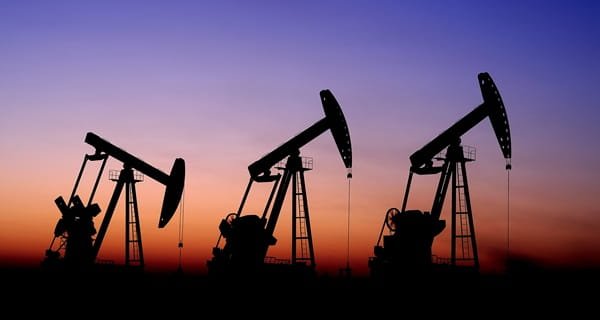
How different geopolitical scenarios affect energy funds
Crude oil and natural gas are more than just commodities; they are strategic resources. A significant share of the total global production of crude oil and natural gas comes from politically volatile regions, while their demand is primarily related to industrial activity.
Various geopolitical situations have a direct impact on energy funds and pharma ETFs. Some of those are:
Conflict in oil-producing regions
Conflicts in major oil-producing areas can lead to sharp increases in the prices of crude oil and gas because of the fear of supply. In such phases:
- Crude-focused funds tend to benefit.
- Energy producer stocks benefit from higher prices, which make them more profitable.
- Increased volatility, which makes timing investments even more important
These moves are often sentiment-driven rather than focused on fundamentals in the short term.
Sanctions and trade restrictions
Sanctions on major energy exporters can restrict oil and gas supply around the world, driving up their prices. However, long-term sanctions may also result in demand destruction and supply re-routing via alternative markets. Oil and gas ETFs directed to upstream producers may pay off in the short run, but gains can even out as markets respond.
Geopolitical de-escalation
Peace talks, ceasefires, or diplomatic resolutions often result in sharp price corrections in oil and gas funds. In these phases:
- Crude oil and gas prices may decline rapidly
- Energy funds may underperform broader markets
- Volatility declines
This is one of the main reasons behind energy funds not being considered buy-and-forget investments during geopolitical cycles.
Natural gas and regional politics
Natural gas is more region-specific than oil. Geopolitical events in relation to pipelines, routes of LNG, or regional demand can cause sudden regional price increases and divergence between global energy funds and gas-focused funds. Along with this, gas funds are more volatile and sensitive to weather, storage data, and regional politics.
Strategies to play geopolitics with energy funds
Some strategies to capitalise on geopolitical changes affecting energy funds are:
Tactical allocation
Energy funds work best as tactical or satellite allocations, not core long-term holdings, because geopolitical rallies are often sharp but short-lived.
Focus on risk management
Because geopolitical moves can reverse quickly. Investors should:
- Use position sizing carefully
- Avoid overexposure
- Be ready to face sudden drawdowns
Prefer mutual funds or ETFs over direct commodity trading.
Mutual funds and ETFs provide diversification, mitigating the risk as compared with direct futures commodity trading.
Stay updated
Geopolitics is not the only driver of oil and gas prices. Investors should also track:
- Global oil and gas demand trends
- Central bank policies
- Inventory
- Production decisions
Conclusion
Playing geopolitics through crude oil and gas funds requires a deep energy market understanding, a clear strategy, and disciplined execution. Oil and gas funds benefit from geopolitical tensions, supply disruption, and energy insecurity. By combining geopolitical awareness with strong risk management, investors can capitalise on opportunities in the energy market without being overwhelmed by volatility.