 By FMTeam
 It is very exciting yet overwhelming starting a new business. It takes time to find customers, deliveries and trust building. These are the challenges that many Indian sellers have to go through at the beginning. Here is where e-commerce selling sites come in and alter the landscape. They lower the obstacles to entry and assist sellers to concentrate on what is important, which is to sell more and faster.
Sellers are also able to enter into an existing ecosystem rather than creating everything themselves. This accelerates the learning and reduces the time to revenue. We can discuss the way online selling platforms help new sellers in all their developmental levels.
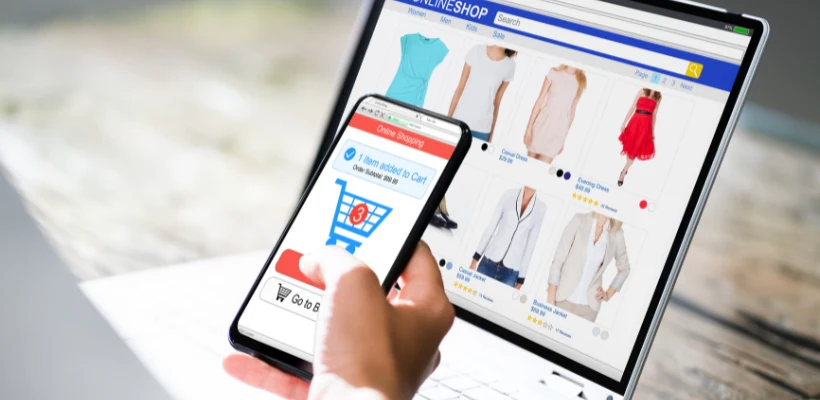
Ready buyers can be accessed instantly.
Traffic is one of the greatest benefits. Emerging sellers find it difficult to find customers for their products. Millions of active shoppers already exist on the online selling platforms.
Having access to a customer base of more than 50 + crore buyers, sellers can post products and begin gaining visibility on the first day. This eliminates the effort of spending a lot of money on advertisements in the initial stage. In the case of a new business, it can be included in the first sales and immediate responses.
Incidental Trust and Credibility.
Trust is hard to earn online. Customers are afraid about an unknown seller. This is addressed through online selling websites, where standardised trust indicators are provided.
These include:
- Verified seller profiles
- Ratings and reviews of customers.
- Secure payment systems
- Developed return and refund policies.
With sales by means of such systems as Flipkart Seller Hub, sellers will have the reputation of the platform. Customers believe that it is safe to make orders, even with new vendors.
Streamlined Logistics and Delivery Support.
One of the most challenging aspects of e-commerce is logistics. New sellers have a hard time controlling packing, shipping and delivery in India.
Platforms like Flipkart Seller Hub provide organised logistics support that includes:
- PAN-India delivery across 19,000+ pincodes
- Zone-based shipment calculation
- Order delivery and tracking support
- Reverse logistics handling
This setup allows sellers to reach customers beyond their immediate vicinity without building or managing their own delivery system.
Increasing Visibility The Marketing Tools.
Platforms like Flipkart Seller Hub help sellers stand out in a space crowded with thousands of listings by offering built-in marketing and visibility tools. These tools support sellers in improving product discovery without aggressive promotions.
Common features include:
- Search-driven visibility that helps products appear for relevant buyer queries.
- Sponsored listing tools to increase exposure within the platform.
- Options to participate in seasonal or event-led deal campaigns.
- Seller-controlled pricing and offer tools for limited-period promotions
Using these tools, sellers can test pricing, offers, and demand patterns in a controlled manner. The insights gained support data-led decisions rather than random discounting, helping maintain healthy margins over time.
Action Data and Business Insights.
Sellers have a high value attached to data-driven decision-making on platforms such as Flipkart Seller Hub. Online selling platforms are not based on guesswork but give access to real and actionable insights.
Seller dashboards usually bring to the fore:
- Product awareness and conversion.
- Return trends and volumes of orders.
- Pricing performance between listings.
- Movement of inventory and health of stock.
Through these insights, sellers will be able to optimize the listings, change pricing strategies, and inventory planning. In the long-run, it will result in more stable processes and business expansion.
Compliance Makes it Easier to Indian Sellers.
Platforms like Flipkart Seller Hub help reduce compliance-related delays for new businesses by guiding sellers on required processes and documentation.
Indian sellers normally require:
- Taxable goods GST registration.
- PAN and bank account details
- Right HSN product codes.
- Proper invoicing and display of tax.
The steps are standardised in platforms and minimise errors and delays. This simplifies the onboarding process even in the case of first-time sellers.
Get Started to Build Faster on the Right Foundation?
Growth does not necessarily involve large budgets and complicated arrangements. Even small sellers will be able to scaffold with the right support. All online selling platforms offer reach, trust, tools and traffic all in a single roof. This ecosystem can make ambition a viable business process to Indian entrepreneurs who are willing to expand.