 By FMTeam
 Cash still moves a surprising share of everyday transactions, even in an increasingly card driven world. Many owners eventually decide to buy an ATM because an on site machine drives foot traffic and adds a steady revenue stream. The hesitation usually comes from uncertainty about cost, maintenance, and compliance. Understanding how ownership works removes most of that doubt. Here is how to decide whether the move suits your business. A machine on site also keeps cash spending within your store rather than sending it elsewhere. Weighing the costs and the steady returns carefully now makes the final decision far easier.
The common problem owners face
Relying only on card payments can frustrate cash preferring customers and send them elsewhere.
Without convenient cash access nearby, businesses quietly lose impulse sales every day.
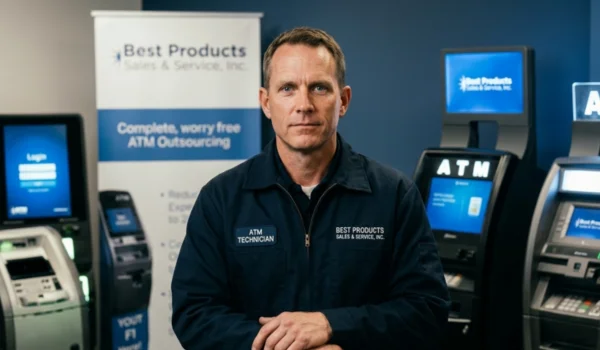
Why ownership matters
When you buy an ATM, you keep the surcharge revenue and control the placement and uptime yourself.
Ownership turns a customer convenience into a genuine asset on your floor.
A mistake to avoid
Do not choose a machine on price alone without checking compliance and support.
A cheap unit with poor backing quickly becomes a costly headache.
A feature that helps
Look for reliable connectivity, clear reporting, and straightforward cash loading.
These features make a machine genuinely useful in busy retail settings.
A long term benefit
A dependable unit pays back through surcharge income and increased in store spending.
That steady return is why many owners eventually buy an ATM rather than lease.
How to make a confident decision
Assess your foot traffic, compare total costs, and confirm the support package on offer.
A reputable supplier explains compliance and servicing without pressure.
Key points to remember
Before you decide, keep these practical points firmly in view at every step.
- Assess your foot traffic and your likely surcharge revenue before you commit.
- Compare total costs carefully rather than focusing only on the purchase price.
- Confirm the machine meets all current compliance and security standards.
- Check the connectivity, reporting, and exactly how cash loading actually works.
- Weigh ownership against leasing honestly for your particular situation.
- Confirm the support package and the response times genuinely on offer.
- Place the machine thoughtfully where it will draw the most footfall.
- Plan the cash handling routine so the unit stays reliably stocked.
- Confirm how quickly support responds if the machine goes offline.
- Ask whether installation and staff guidance are included in the price.
- Check the connectivity options so the machine stays reliably online.
- Ask the supplier for references from similar retail locations.
- Review the warranty and what servicing is included before you buy.
- Check how surcharge income is reported so you can track the return.
- Confirm how quickly support responds if the machine ever goes offline.
- Ask whether installation and staff guidance are included in the price.
- Check the connectivity options so the machine stays reliably online.
- Plan a simple routine for monitoring cash levels day to day.
- Take notes during each enquiry so you can compare options fairly later on.
- Trust your instincts once you have done the research and seen things first hand.
Common questions owners ask
How much revenue can an on site machine realistically generate?
It depends heavily on footfall, though surcharge income tends to add up steadily and reliably over time.
Who is responsible for loading the cash?
You can manage it yourself or arrange a service, depending on your preference and available time.
Is installation complicated for a small business?
Reputable suppliers guide placement and setup, so the process is usually far simpler than owners expect.
What ongoing costs should I budget for?
Plan for connectivity, routine servicing, and cash handling alongside the initial purchase price.
Clear answers to these questions make the ownership decision far easier and considerably more confident.
Final thoughts
Adding cash access can be a simple, profitable upgrade when the numbers and support stack up. Positioning a reliable atm for retailer locations near the entrance often lifts both convenience and impulse purchases. Understand the costs and the steady returns, and the decision to buy an ATM becomes far easier to justify.