 By Meghna Sharma
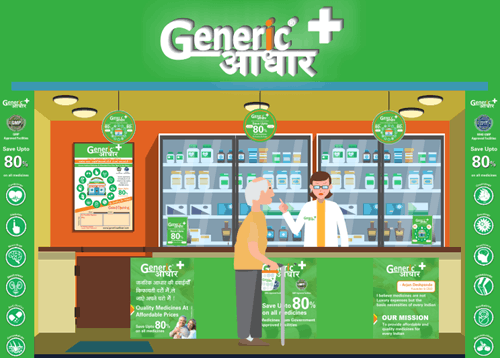
 Generic Aadhaar is an Indian pharmacy network that sells generic medicines at lower prices than many branded alternatives. Founded by Arjun Deshpande, the company operates through franchise outlets and is currently present in more than 150 Indian cities.
The opportunity is designed for existing medical-store owners as well as new entrepreneurs. However, opening the outlet requires more than simply paying a brand fee. The applicant must arrange a legally compliant pharmacy, obtain the necessary drug licences and ensure that medicines are sold under the supervision of a registered pharmacist.
It is also important not to confuse Generic Aadhaar, the pharmacy brand, with government-authorised Aadhaar enrolment or update centres.
Is a Generic Aadhaar Franchise Available in India?
Yes, Generic Aadhaar officially accepts retail-franchise applications across India. The company also advertises city-level master-franchise opportunities for selected territories.
Existing pharmacy owners can convert or associate their medical stores with the network. New entrepreneurs can also apply, even when they have no previous experience in pharmaceutical retail. The company says that it assists applicants with the franchise process, store setup, billing technology and inventory systems.
Approval depends on territorial availability, the proposed location, licence readiness and the applicant’s ability to invest and operate the store.
Generic Aadhaar Franchise Cost in India
Generic Aadhaar does not currently publish a fixed total investment amount on its main franchise page. Its latest official website says that investment and expected returns depend on the location, shop size and local demand. Applicants are advised to obtain city-specific figures from the franchise team.
An older official company brochure mentioned a one-time retail-franchise fee of ₹1 lakh plus 18% GST. The package included branding materials, a shop signboard, billing software, promotional materials and territorial exclusivity within approximately 500 metres. Since that brochure is several years old, the amount should not be treated as the current confirmed fee.
An independent franchise listing estimates a total investment of approximately ₹4 lakh to ₹12 lakh. The final project cost can be higher where the applicant is opening a completely new pharmacy and must pay for inventory, interiors, rent deposit and licences.
The total investment may include:
- Franchise or brand-association fee
- Shop security deposit and advance rent
- Interiors, shelves and medicine-storage racks
- Computer, printer and billing equipment
- Refrigerator for temperature-sensitive medicines
- CCTV, internet and electrical work
- Exterior signage and branding
- Retail drug-licence expenses
- Initial medicine inventory
- Pharmacist and employee salaries
- Opening promotion and working capital
Applicants converting an existing licensed medical store may require a smaller investment because the shop, equipment and registrations are already available.
Shop Space and Location Requirements
Generic Aadhaar does not state a compulsory minimum shop area on its current official website. Independent franchise information generally suggests approximately 200 to 400 square feet for a standard pharmacy outlet.
The shop should preferably be located in an accessible area with regular demand for medicines. Suitable locations may include:
- Near hospitals and clinics
- Residential neighbourhoods
- Commercial markets
- Diagnostic-centre areas
- High streets and shopping complexes
- Towns with limited organised-pharmacy competition
The premises should have reliable electricity, proper ventilation, sufficient storage and facilities for maintaining medicines at the required temperature. It must also meet the conditions imposed by the state drug-control authority.
Applicants should obtain location approval before signing an expensive long-term lease or completing major interior work.
Eligibility for a Generic Aadhaar Franchise
The franchise owner does not necessarily have to be a pharmacist. Generic Aadhaar’s official FAQ states that a non-pharmacist can own the outlet by appointing a qualified pharmacist to manage medicine dispensing and statutory responsibilities.
A suitable applicant should ideally have:
- Adequate setup funds and working capital
- A suitable commercial shop
- Ability to obtain a retail drug licence
- Access to a registered pharmacist
- Basic business and inventory-management skills
- Clean financial and legal records
- Willingness to follow the company’s pricing and operating system
- Active involvement in store supervision
Previous pharmacy experience can be useful but is not presented as compulsory. The company specifically promotes the opportunity to existing medical-store owners, first-time entrepreneurs and retired individuals looking for a managed business model.
Documents and Licences Required
The older company brochure listed a retail drug-licence copy, electricity bill, PAN or GST certificate and Aadhaar card of the authorised person among the principal documents required for franchise appointment.
Applicants may also need:
- PAN and identity proof
- Address proof and photographs
- Business-registration papers
- GST registration
- Shop ownership documents or rent agreement
- Bank-account details and cancelled cheque
- Pharmacist qualification and registration certificate
- Shop layout and storage details
- Proof of investment funds
A pharmacy normally needs appropriate retail drug licences, commonly issued in Form 20 and Form 21 depending on the medicines sold. Applicable prescription medicines must be stocked and supplied according to the Drugs and Cosmetics Rules and under qualified supervision.
Profit Margin and Expected Return
Generic Aadhaar advertises a margin of up to 40% on medicines, compared with the 5% to 10% margin it associates with many conventional independent medical stores. The company clearly notes that actual margins can vary by location and product mix.
A 40% product margin should not be confused with net business profit. The franchisee must still pay rent, pharmacist salary, employee expenses, electricity, taxes and inventory costs.
Actual returns will depend on:
- Daily prescription and walk-in sales
- Product mix and medicine availability
- Local competition
- Shop rent
- Staff expenses
- Customer retention
- Inventory expiry and stock control
The company does not guarantee a fixed monthly income, break-even period or investment recovery.
Support Provided by Generic Aadhaar
Generic Aadhaar provides billing and inventory-management software to help franchisees manage purchases, customer billing and available stock. Its current website also says that certain online orders may be routed to nearby franchise stores.
Support may include:
- Brand name and shop branding
- Billing and inventory software
- Access to the medicine portfolio
- Store-opening guidance
- Promotional materials
- Franchise documentation assistance
- Training and operational support
Once the paperwork is completed, the company says a store can generally be prepared for opening in around 15 days. This is an indicative setup timeline, not a guarantee for every location.
How to Apply for a Generic Aadhaar Franchise
Applicants can submit their name, mobile number, email address, state and current profession through the franchise form on Generic Aadhaar’s official website.
The company currently lists +91 96533 73639 for franchise enquiries. Applicants should communicate only through the official website and verified company email addresses.
Before making payment, obtain a written document covering:
- Current franchise fee
- Total setup investment
- Territory protection
- Initial stock requirement
- Product margins
- Mandatory purchases
- Refund and cancellation rules
- Agreement duration and renewal terms
Final Word
A Generic Aadhaar franchise may require a practical investment of approximately ₹4 lakh to ₹12 lakh or more, although the company does not currently publish a fixed official project cost. An older company brochure listed a one-time franchise fee of ₹1 lakh plus GST, but applicants must verify the latest fee directly.
The opportunity may suit existing medical-store owners and entrepreneurs interested in affordable pharmaceutical retail. However, success depends on licensing compliance, the availability of a registered pharmacist, proper inventory control and a location with steady demand for medicines.